Texture
Thickening, Gelling, Stabilising
Browse all ingredients

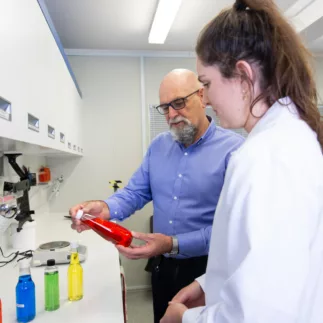
Our team of technical experts are ready to collaborate with you to solve project roadblocks and create innovative new concepts. Working with you to fully understand your applications to find the very best solutions. From running technical training sessions to hosting customers in our laboratories for product development sessions, our support & specialty ingredients are second to none.





Discover innovative ingredients that will help you go in the right direction.
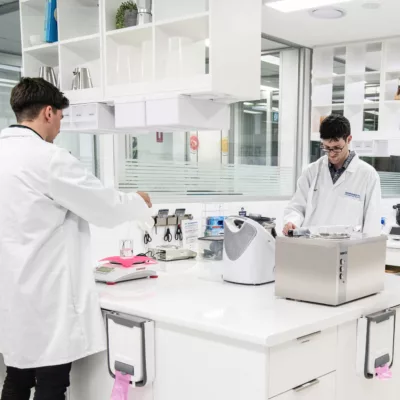
Focused on the Australian and New Zealand markets, our team of highly experienced food technologists work collaboratively, sharing knowledge and experience, to find the best solution for you.
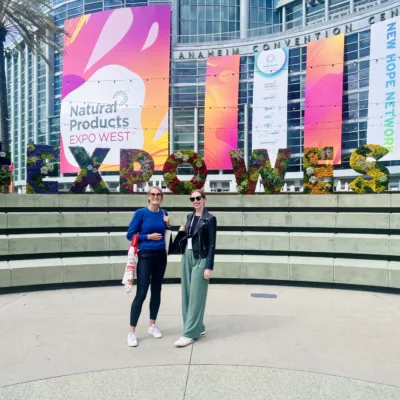
Amanda Thomas, our Sales & Business Development Manager, and Lauren Robinson, our Marketing Executive, were recently lucky enough to head over to California for the annual Natural Health Products Expo West conference.