Products
SEARCH:
Home
Applications
Products
> Acidulants
> Antioxidants
> Aromatics
> Bulking Agents
> Colours
> Dehydrated Products
> Emulsifiers
> Hydrocolloids
> Inclusions
> Minerals
> Nutraceuticals
> Preservatives
> Sweeteners
Services
Supply Partners
Technical Toolbox
How to Purchase
Our News
Our People
Our Profile
Contact us
Hawkins Watts Australia Pty Ltd,
Suite 6,
2 Compark Circuit, Mulgrave,
Victoria 3170,
AUSTRALIA.

T: +61 3 956 13710
F: +61 3 956 14603

E: sales@hawkinswatts.com.au
Acidulants

While having a significant effect on the flavour of food products, acidulants perform a variety of other beneficial functions:

Taste
The sharpness in the taste of any food is due to the presence of food acids. All fruits have these acids in some quantity and the result is the typical acidic taste normally associated with fruit.

Enhance fruit flavours
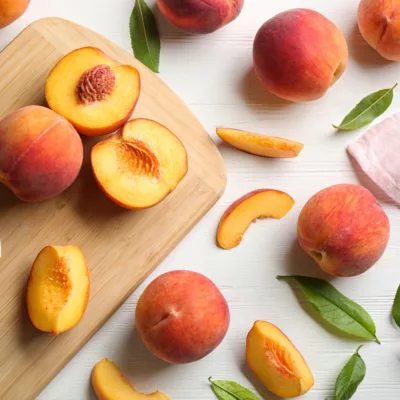
Naturally occurring food acids are citric acid, malic acid and tartaric acid. They are also called wholesome acids. They are found in oranges, grapefruits, pineapples, apples, peaches and other seeded fruits. Tartaric acid is found in grapes, pineapples and potatoes. Without the presence of these acids, fruits may taste bland.

Antimicrobial effect
Some acids, such as acetic acid and lactic acid, have an anti-microbial effect and are the basis for preservation by fermentation in products such as sauerkraut and pickles.

Reduce spoilage
The use of acids to reduce pH retards the growth of many spoilage organisms, especially bacteria, and also increases the effectiveness of food preservatives such as benzoates, sorbates and propionates.

Prevents discoloration
Acidification also retards the action of many natural enzymes that are involved in the discolouration of cut fruit and vegetables, and also increases the effectiveness of natural and added antioxidants.

Synergistic effect with Antioxidants
Some acids, such as citric acid, exert a synergistic effect with antioxidants through their ability to chelate metal ions that catalyse oxidation and bring about rancidity and deterioration.

pH Control
Acids are also used for pH control, particularly when the pH needs to be controlled to obtain the best gel strength in products such as pectin jellies and jams.

Buffering
Some products, particularly diet beverages, require some buffering to improve flavour. The addition of a small amount of Sodium Citrate can often enhance flavour

The main acidulants offered by HWA are:

Glucono delta lactone (GDL)

Glucono-delta-lactone.
An acidulant often abbreviated to GDL. (Not to be confused with Glucoronolactone, D-glucorono-3,6-lactone, or DGL).

It hydrolyses to form gluconic acid in water and thereby creates the desired pH. The rate of acid formation is affected by temperature, concentration and the pH of the solution. It has low acid release at room temperature and accelerates the conversion to gluconic acid as the temperature increases. It is readily soluble in water and is used a chemical leavening agent in tofu and also as a pH modifier in smallgoods such as sausages and frankfurters. It is thought to be one of the best acids to reduce pH without giving an excessive acidic flavour profile to the food product.

Acidulants – Properties of Common Food Acidulants Adobe Acrobat PDF file


Back to the top

Hawkins Watts Australia supplies:

Glucono delta lactone (GDL)

For orders, samples or more product information please contact us
ACIDULANTS ANNATTO ANTIOXIDANTS CITRATES COCOA POWDERS COCOA LIQUOR DEXTROSE ERYTHORBATES FLAVOUR ENHANCERS FRUCTOSE GUMS AND HYDROCOLLOIDS
LACTIC ACID LITE PRODUCTS MINERALS PECTINS PRESERVATIVES EMULSIFIERS SYMRISE FLAVOURS TARTRATES VANILLINS VITAMINS XANTHAN GUM OTHER SPECIALTIES

Copyright © Hawkins Watts Australia Pty Ltd | Legal | Design by FoodWorks.